Rabby Wallet Review: Clear Transaction Previews Make It the Safer Daily EVM Wallet, With Limits
Rabby shows what a transaction will do before you sign it, and flags risky contracts. We compared that with MetaMask, weighed an August 2026 extension bug and counted what the 0.25% swap fee costs.
The verdict
For daily DeFi on Ethereum and other EVM chains, Rabby is the wallet we would pick over MetaMask: it simulates each transaction, shows balance changes and warns about risky contracts before you sign. It supports no non-EVM chains, its risk alerts send your browsing data to providers, and an August 2026 extension bug was fixed after disclosure.
Best for Active EVM and DeFi users who want clear signing previews
Pros
- Shows balance changes and risk warnings before you sign
- Free, with a 0.25% built-in swap fee, well under MetaMask's 0.875%
- Connects to Ledger, Trezor, GridPlus, Keystone and OneKey
- Source is public and the extension was audited by SlowMist and Least Authority in 2025
Cons
- EVM chains only, so no Bitcoin or Solana accounts
- Walletbeat flags its scam alerts as leaking visited sites to third parties
- A silent signature flaw in the extension was fixed on August 11, 2026
- Fewer tutorials and dapp guides assume Rabby than assume MetaMask
The best argument for Rabby is a moment, not a feature list. You click a button on a dapp, your wallet opens, and you have two seconds to decide whether to approve something you do not fully understand. MetaMask has long shown a block of hex. Rabby tries to show you a sentence: what leaves your account, what arrives, and whether the contract on the other end has a bad reputation.
That is the whole pitch, and for people who sign many transactions each week it is a good one. It is also a pitch with limits we will spell out.
What the preview actually tells you
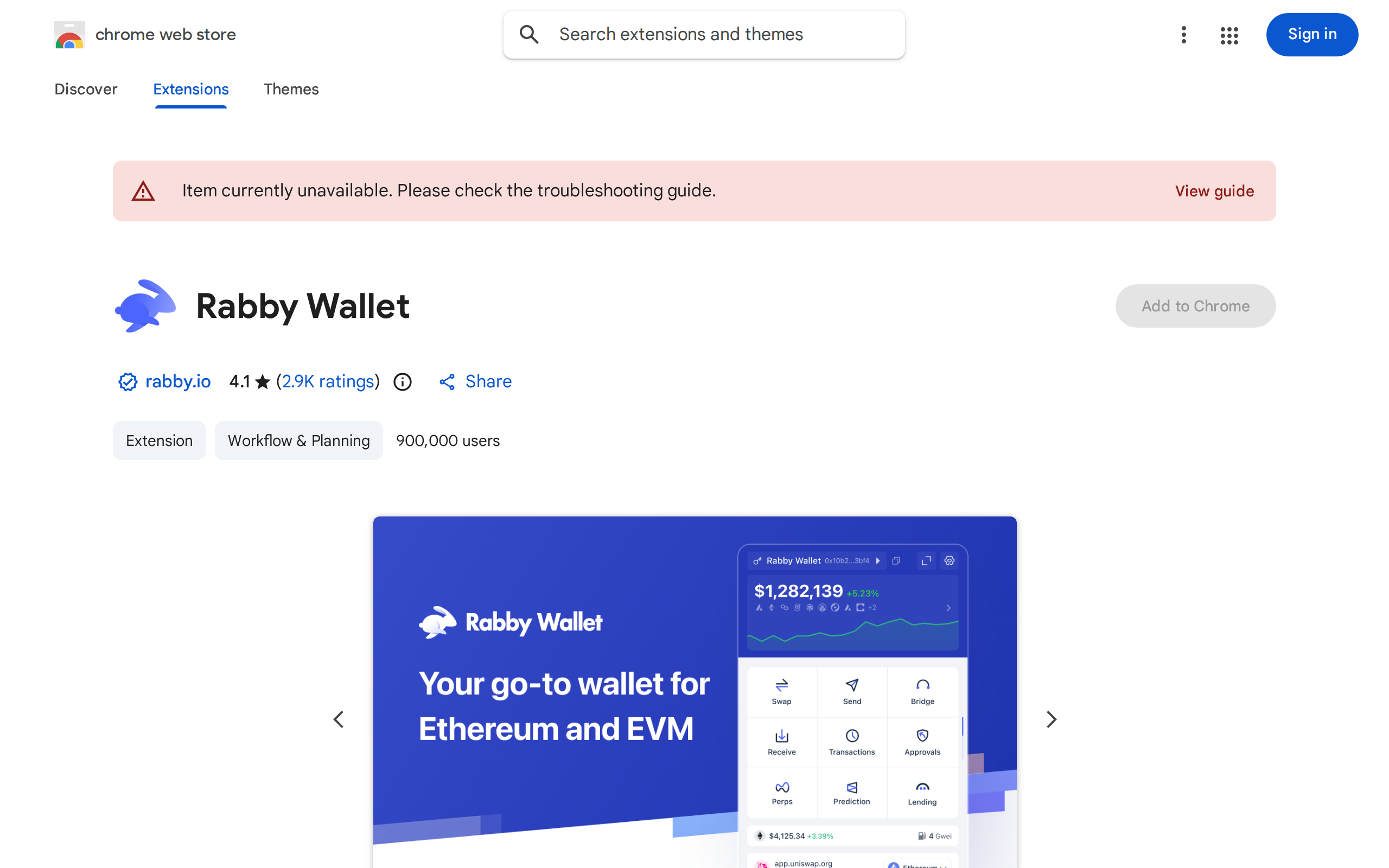
On the Rabby site the maker lists transaction simulation, pre-signature checks, automatic network switching and an approvals manager as core features. In use, the simulation turns a signing request into balance changes in your wallet, so a swap reads as "you send this, you receive that" instead of an opaque call.
The checks warn about unlimited token approvals, interactions with flagged contracts and odd permission requests. Auto-switching is a quieter win: when a dapp lives on Arbitrum and your wallet is on Ethereum, Rabby changes the network for you rather than throwing a connection error.
Independent scoring is more measured than the marketing. Walletbeat rates Rabby's transaction simulation as partial, because it catches failed transactions but misses outcomes that depend on conditions, and it does not fully decode nested Safe transactions.
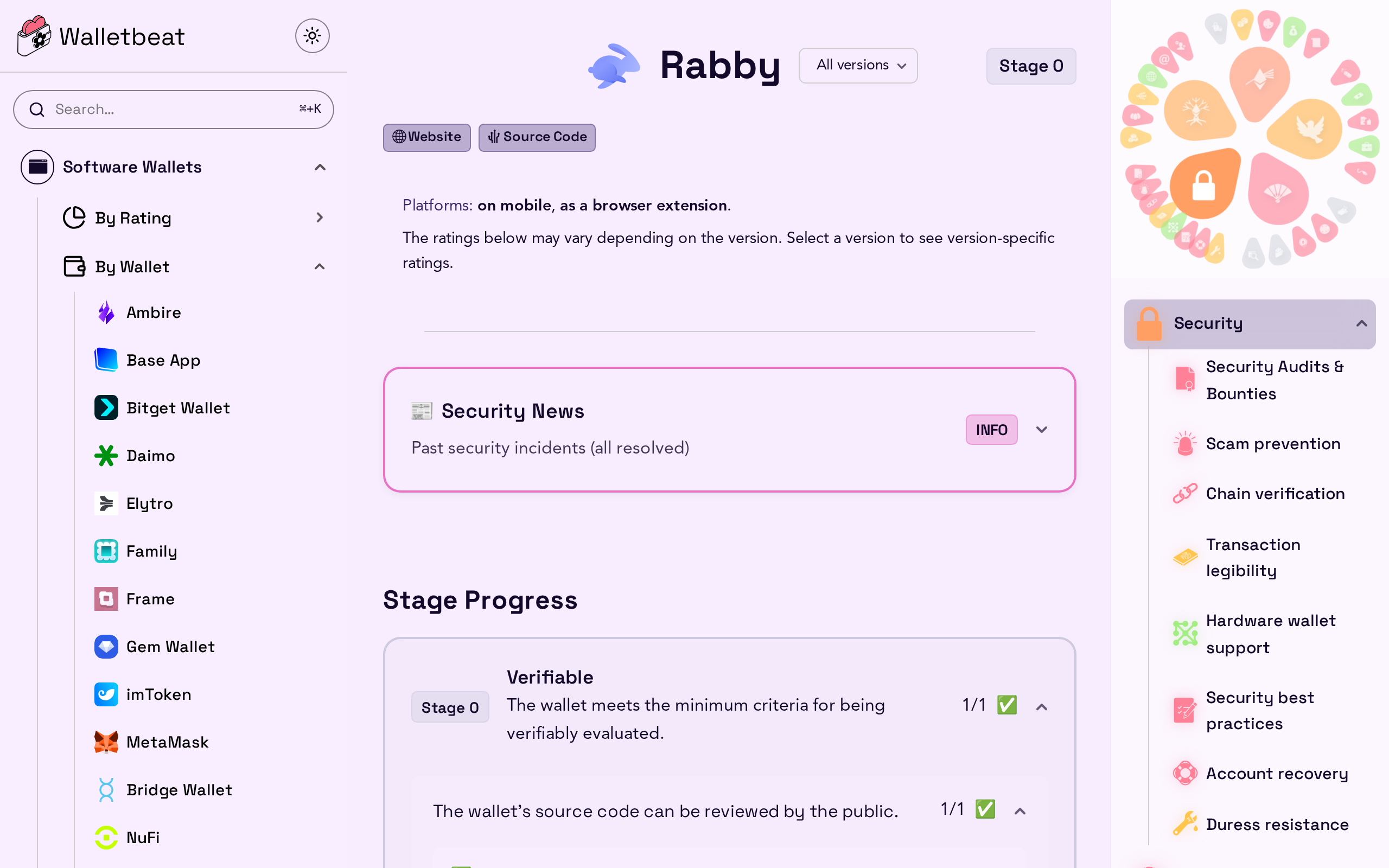
The same page marks the scam alerts as a privacy problem, since checking sites against outside providers leaks which sites you browse. If you care about that trade, Rabby is a worse choice than its safety branding suggests.
Rabby against MetaMask, honestly
MetaMask has closed part of the gap with its own alerts, as we note in our MetaMask review. What it has not done is build the whole interface around the preview. Rabby does, and that is why we call it safer for daily DeFi use, not safe in absolute terms.
Fees matter too. Rabby announced a 0.25% charge on its built-in swap in 2024, as its own post states. MetaMask's swap fee is 0.875% according to our review of it, so on a $1,000 swap Rabby takes about $2.50 and MetaMask about $8.75 before gas. Neither is free, and a direct aggregator can be cheaper than both.
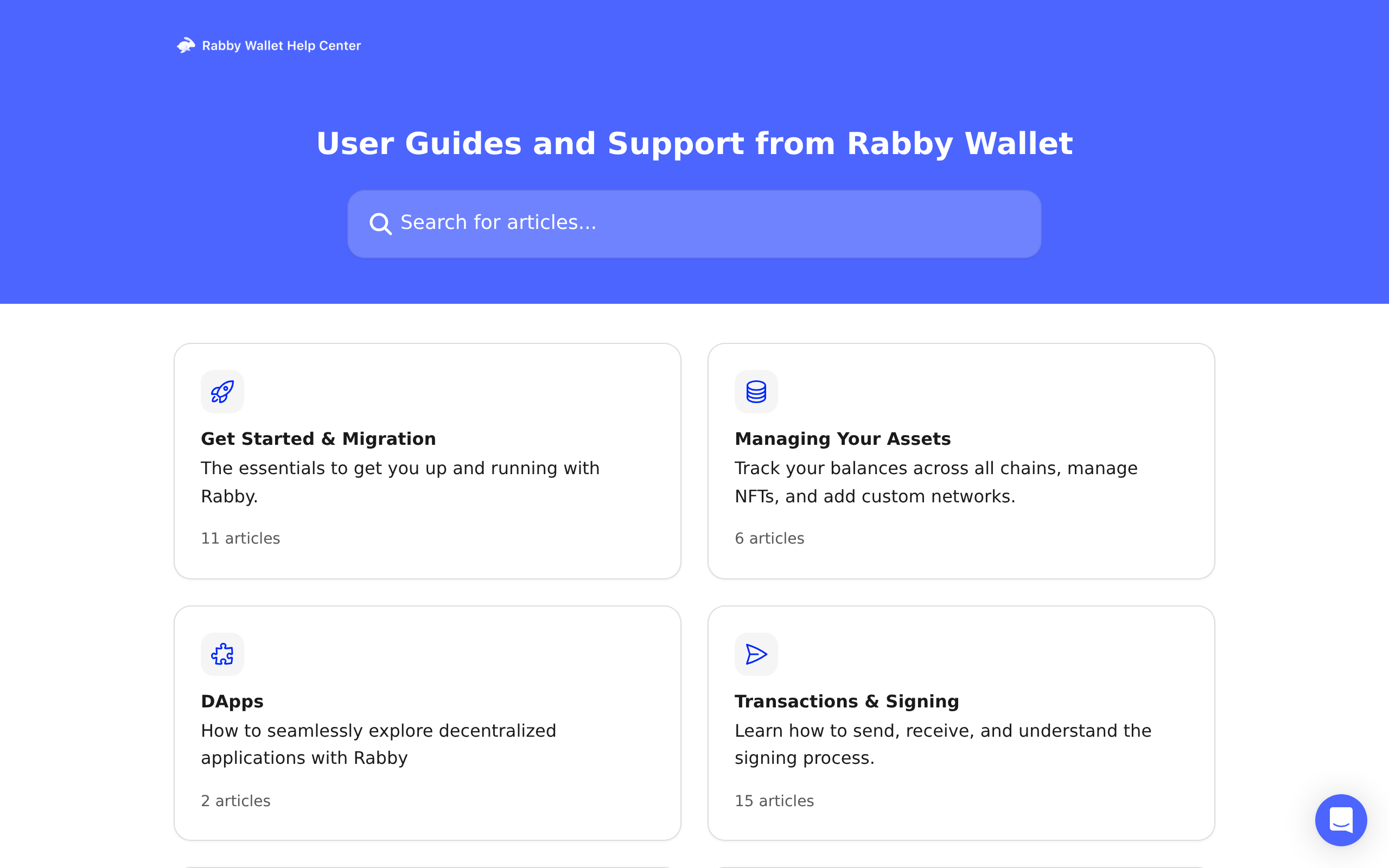
The cost on the other side is reach. Rabby supports EVM networks only: more than 90 of them, per third-party reviews, but no Bitcoin and no Solana. MetaMask now spans non-EVM chains, and Phantom does Solana far better. Rabby also has smaller documentation. Its Help Center covers the essentials, but most dapp tutorials still assume MetaMask.
The August 2026 extension bug
A wallet that promises safety should be judged on its own failures. In August 2026 a researcher disclosed a silent signature extraction flaw in the Chrome extension. Per reports, a malicious site could queue a hidden signature request, and unlocking the wallet would then approve it without a fresh prompt. It only worked if the user had set the auto-lock timer to exactly 10 minutes, the mobile app was not affected, and no exploits were reported. The fix shipped on August 11, 2026.
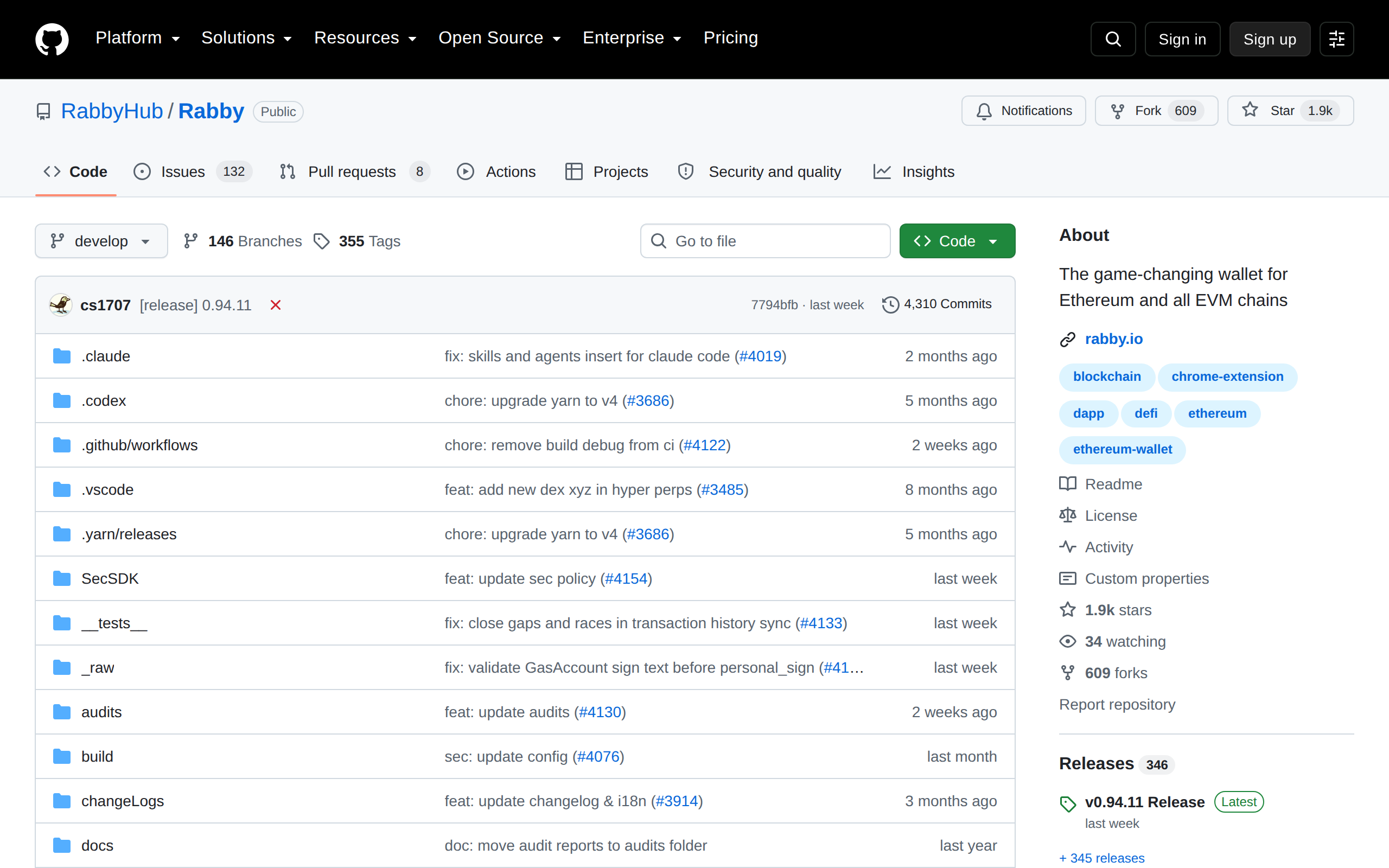
That is a narrow bug, patched quickly, but a drain-class flaw in a security-branded wallet is a reason to keep balances modest. Rabby's 2025 audits by SlowMist and Least Authority found no critical or high issues, per Cypherock's summary, though one medium QR-sync finding was left unresolved. The code is on GitHub, which shows hundreds of releases, though Walletbeat does not count its licence as free software.
Who should switch
Move your day-to-day DeFi activity to Rabby if you sign a lot, use several EVM chains and want to read what you are approving. Pair it with a hardware wallet: it connects to Ledger, Trezor, GridPlus, Keystone and OneKey, and our Trezor Safe 3 review is a good place to start for a cheap one.
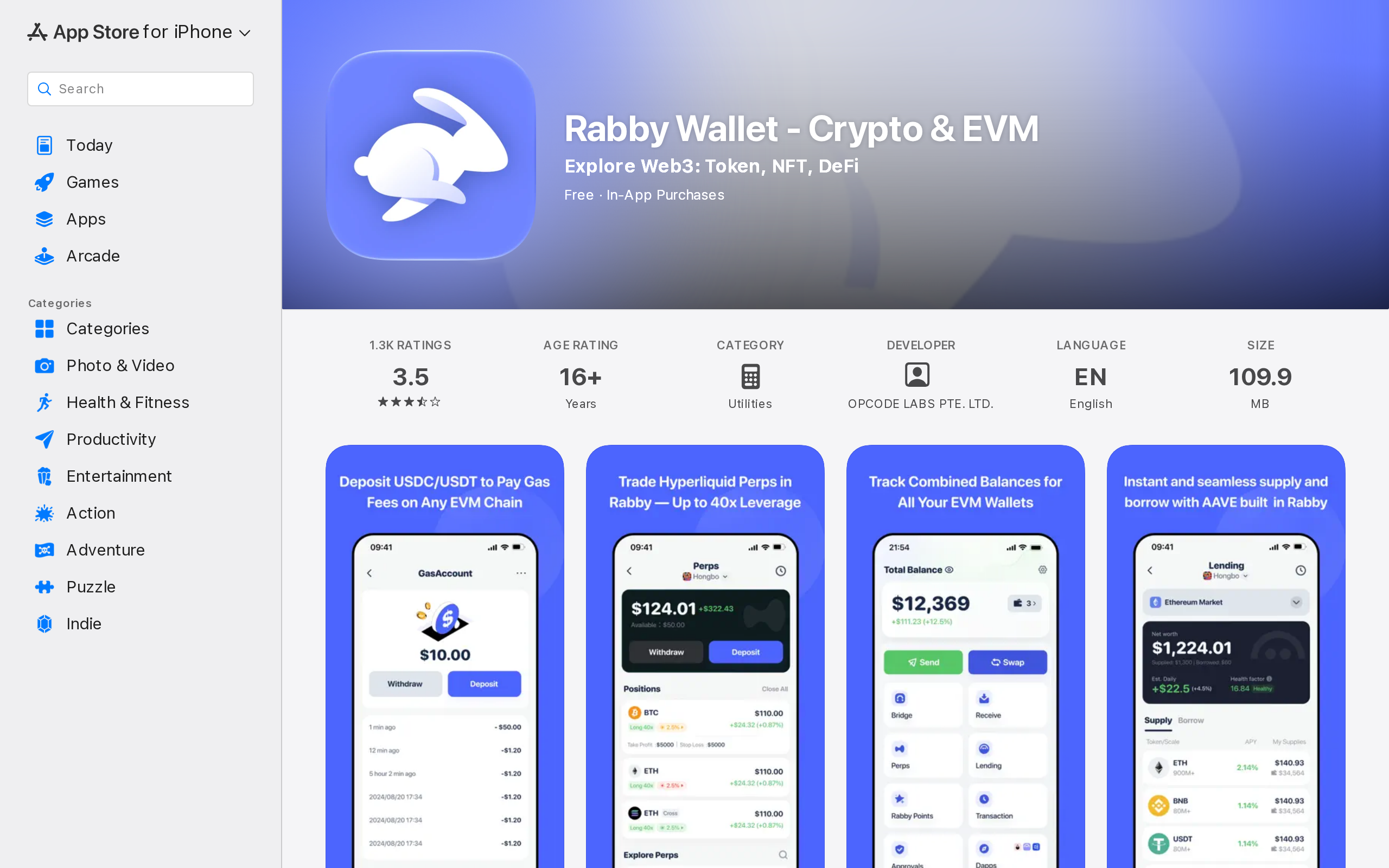
Stay with MetaMask if compatibility and non-EVM chains matter more than previews, and stay away from both for large holdings without hardware. The mobile app lists DeFi and NFT tools under the developer Opcode Labs.
We rate it 7.9. Nothing here is investment advice: it compares tools, not tokens.
Specifications
- Price
- Free
- In-wallet swap fee
- 0.25%
- Networks
- EVM chains only, 90+ per third-party reviews
- Platforms
- Browser extension, mobile app, desktop
- Hardware wallets
- Ledger, Trezor, GridPlus, Keystone, OneKey, imKey
- Audits
- SlowMist and Least Authority, 2025
- Walletbeat rating
- Stage 0, Verifiable
- Maker
- DeBank (Opcode Labs on the App Store)
As published by DeBank when we tested it.